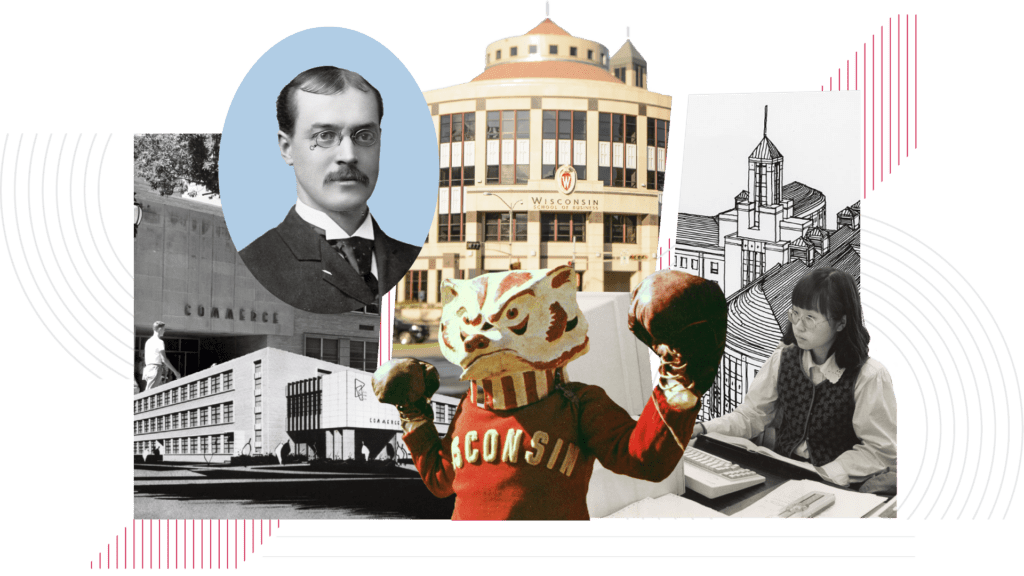
Since its founding in 1900, the Wisconsin School of Business has been a pioneer in business education, leading the way for new innovations, groundbreaking discoveries, and bold ideas. With a culture rooted in forward thinking and advancement, WSB has pushed its way out in front—and among the firsts—in more ways than one.
In WSB’s 125 years, there are countless examples of how the school has set a new standard for business education. Journey through WSB’s rich history to witness a snapshot of the school’s transformational firsts, and discover the movers and shakers who turned ideas into action. Their aha moments and revolutionary ideas—which merely scratch the surface of WSB’s long-lasting legacy and impact on the business world—illustrate the school’s commitment to innovation, leadership, and daring to do what’s never been done before.
1900s
-
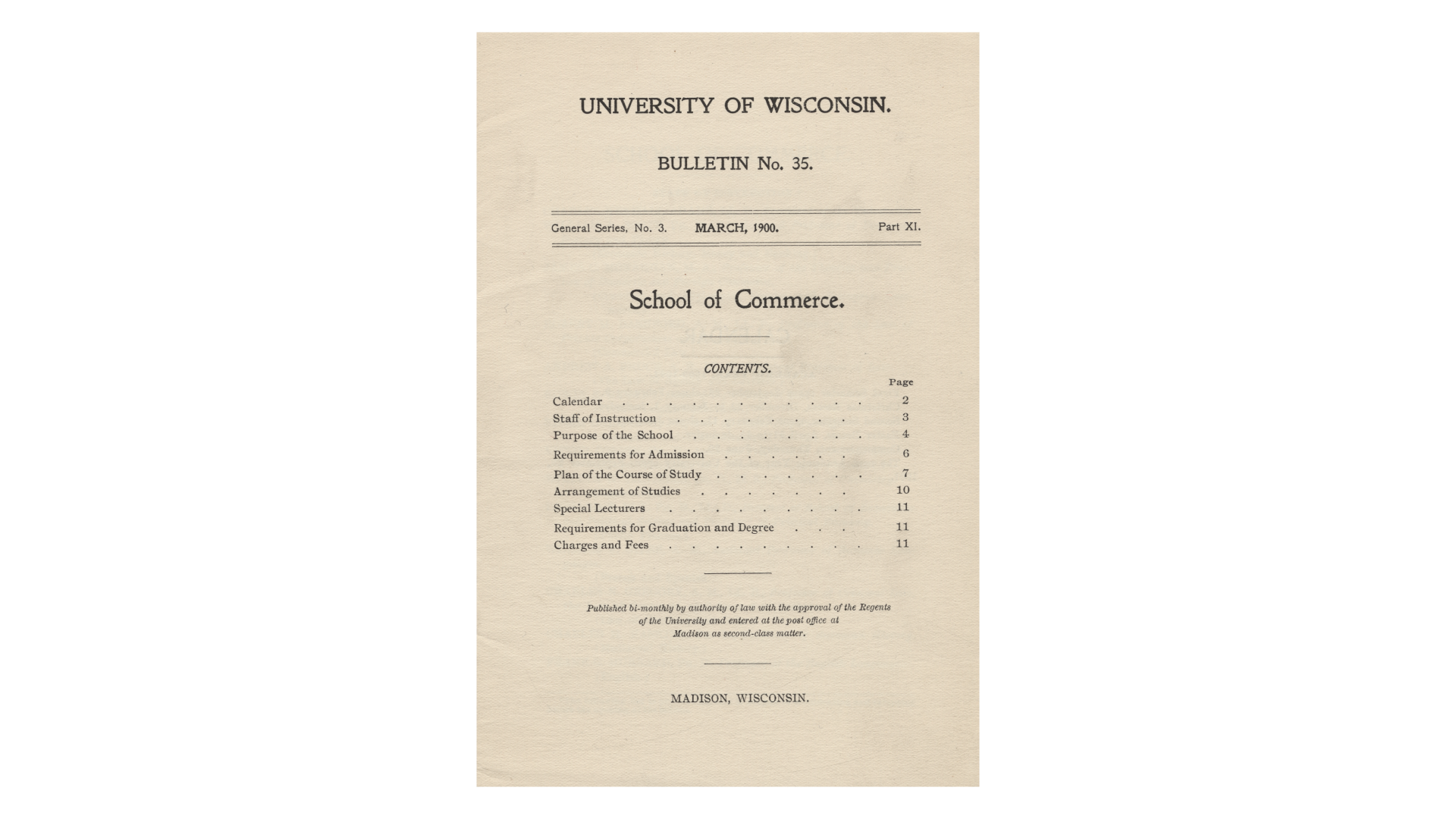
UW–Madison establishes one of the first commerce programs in the country, known today as WSB.
-
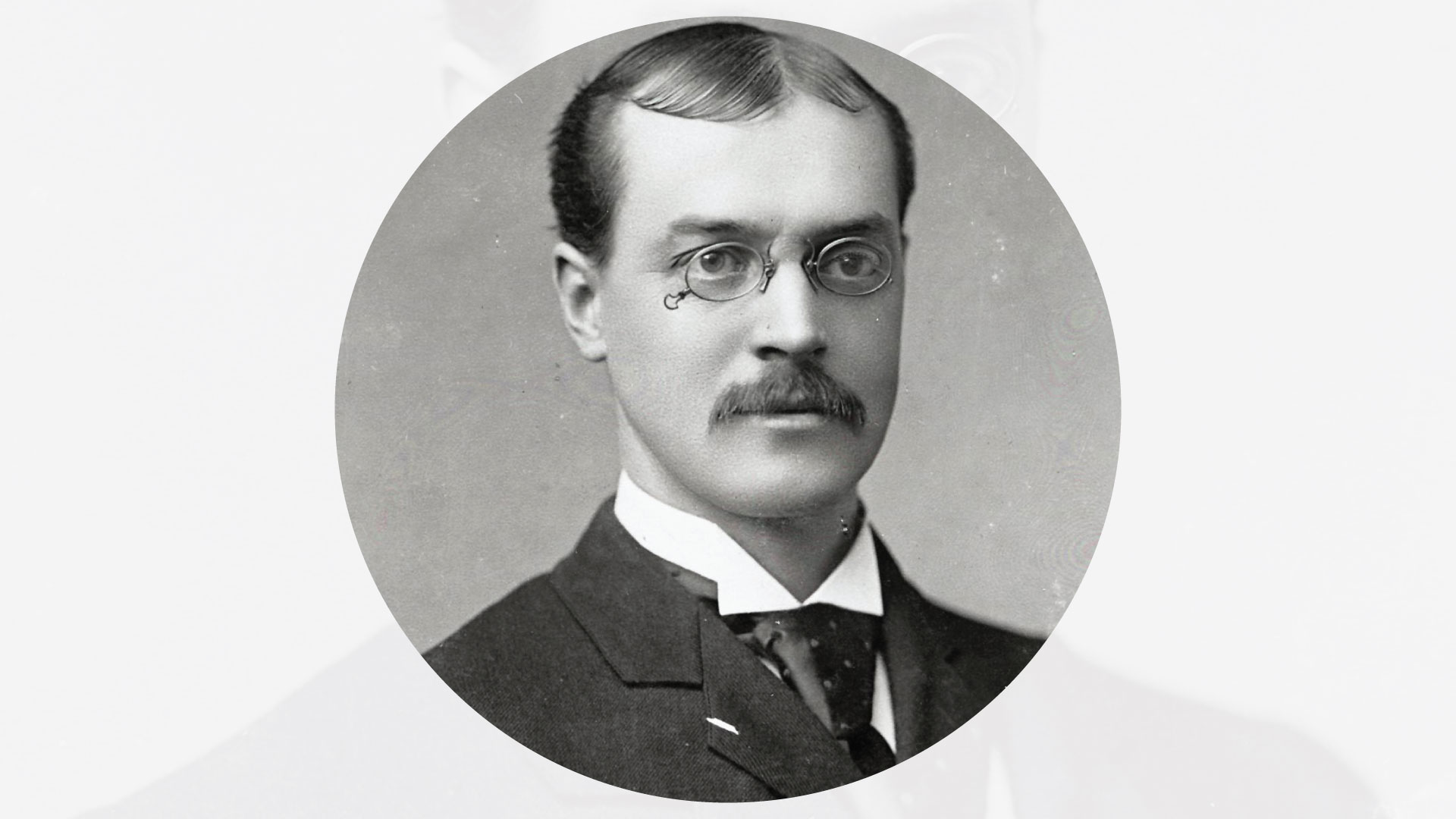
William A. Scott, a faculty member in political economy and commerce, is named the first director of the School of Commerce.
1920s
-
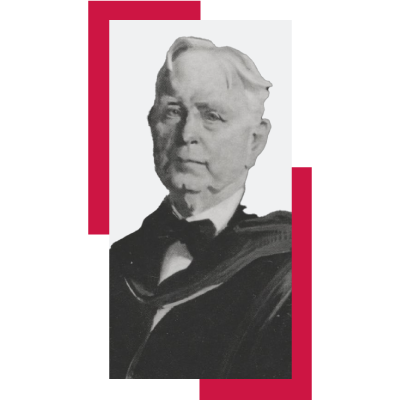
Richard Ely, director of the School of Economics at UW–Madison, introduces the study of land economics and real estate. Ely also leads a team of academics and practitioners to establish the nation’s first real estate curriculum.
-
The School of Commerce establishes the country’s first graduate program in public utilities.
1940s
-
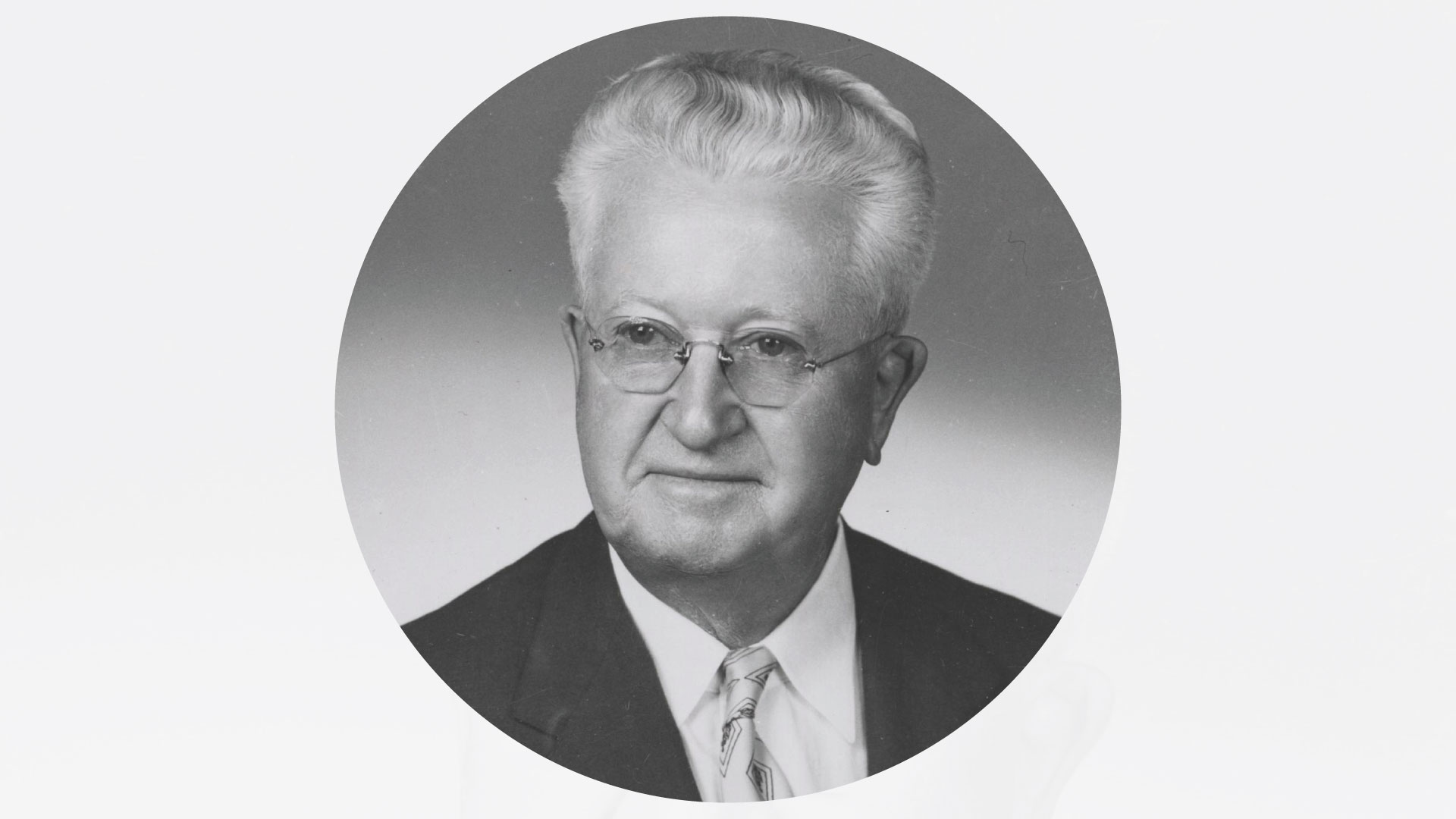
The School of Commerce receives separate school status from the Wisconsin Legislature and becomes independent from the College of Letters & Science. Fayette Elwell (BA 1908) is named the school’s first dean.
-
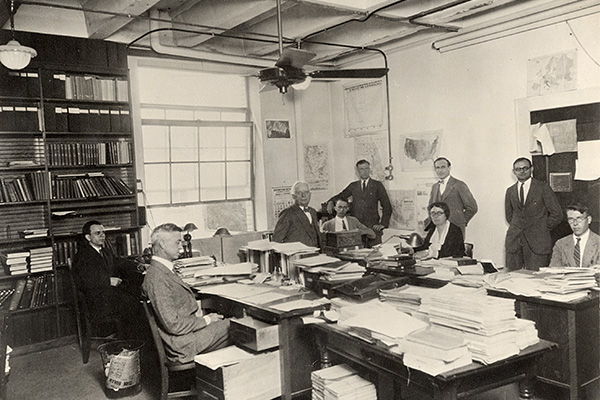
The Wisconsin Real Estate Program becomes the first in the nation to be recognized by the National Association of Realtors. WSB later established the Center for Urban Land Economics Research, which was renamed the James A. Graaskamp Center for Real Estate in 2007, honoring the legacy of the late professor and trailblazing leader in the field.
1950s
-
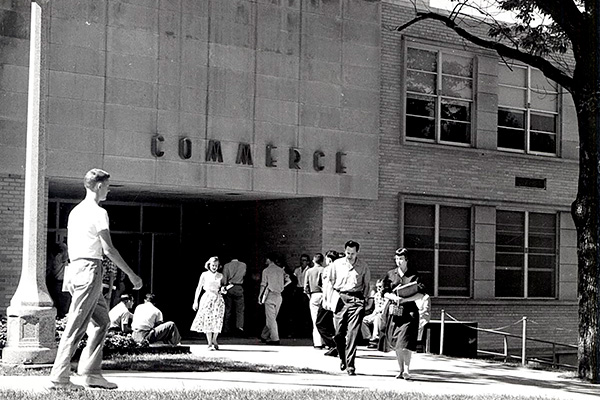
The Commerce Building opens as the university’s first purely classroom facility built since the 1930s.
1960s
-
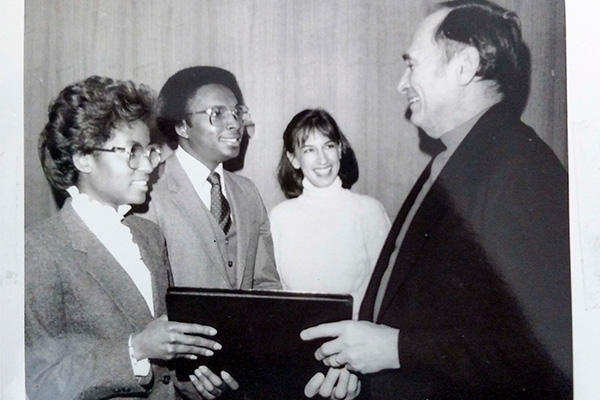
The School of Commerce is one of three founding members of The Consortium for Graduate Study in Management, a nonprofit organization promoting diversity in business education and leadership.
-
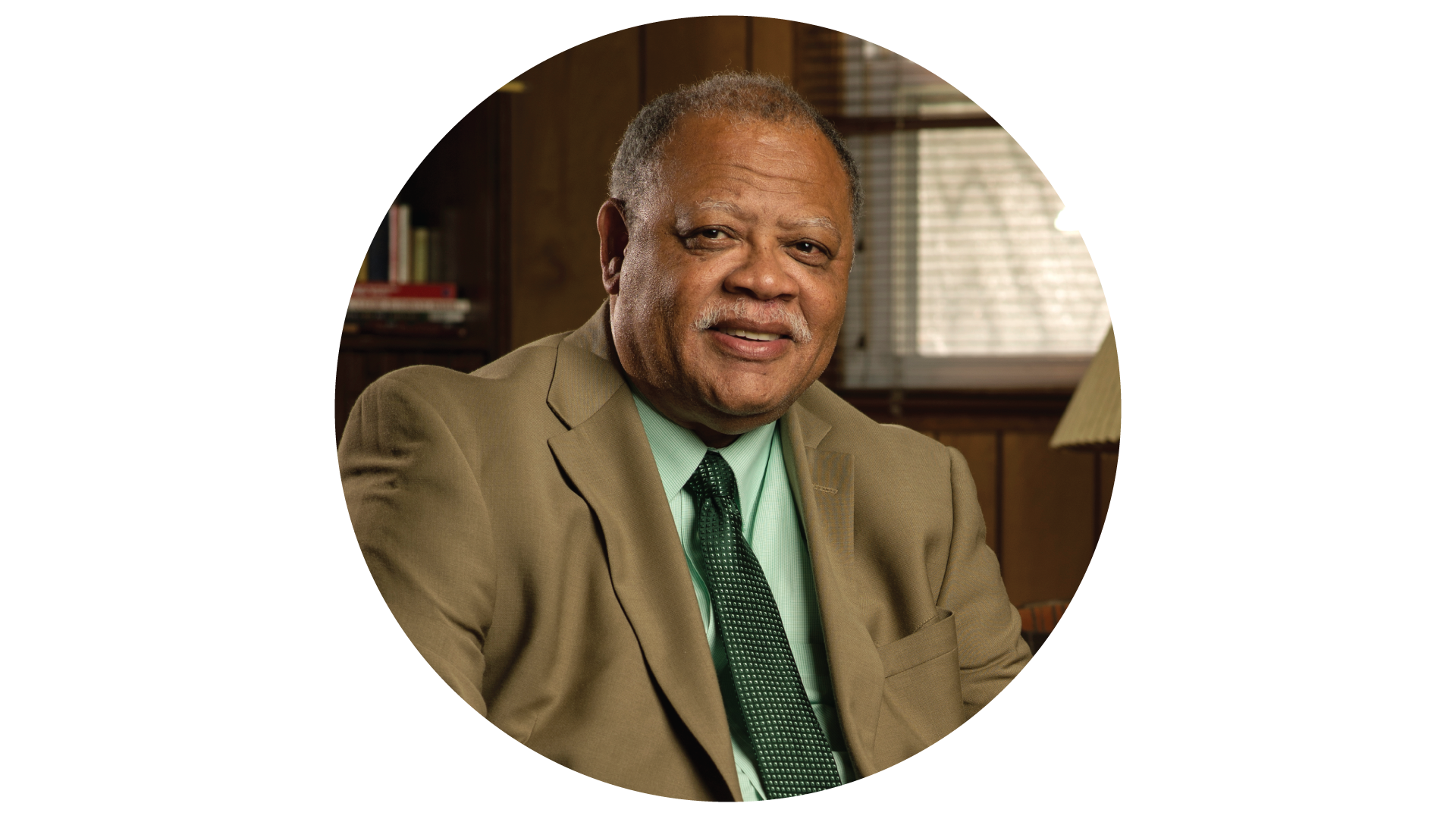
Larry Harris (MBA ’68) becomes the first graduate of The Consortium for Graduate Study in Management.
-
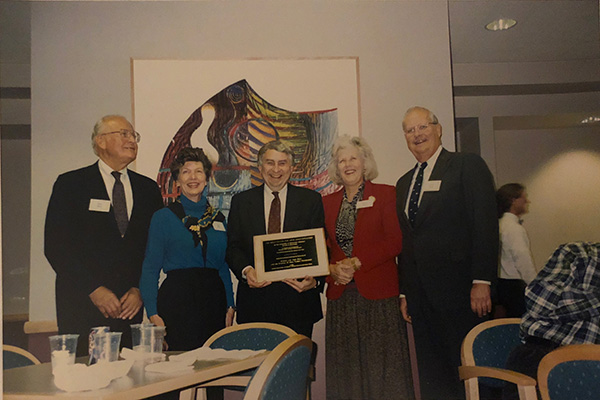
The country’s first graduate program in arts administration launches and is endowed as the Bolz Center for Arts Administration in 1993. From left to right in the above photo, Robert Bolz (BS ’44), Anne Bolz, Professor E. Arthur Prieve (BBA ’59, MBA ’61), Marian Bolz, and John “Jack” Bolz (BS ’50).
1970s
-
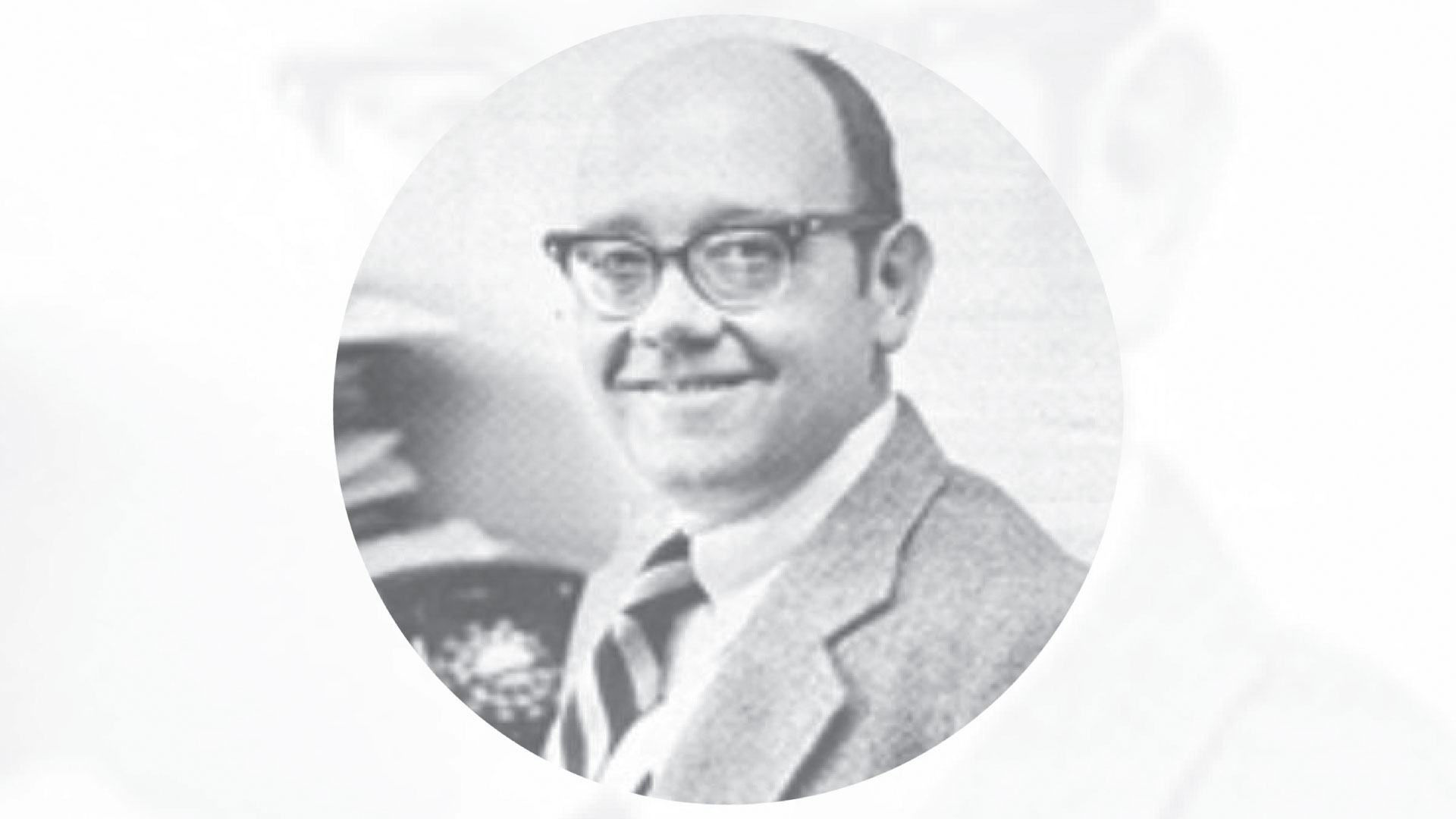
Building on Professor Frank Graner’s (PhD ’48) original idea, Professor Stephen Hawk (BBA ’63, MBA ’64, PhD ’69), pictured above, launches the Applied Security Analysis Program, which allows students to invest and manage real money.
1980s
-

The school is one of eight selected by IBM to test computers with shared mass data storage as it prepares to meet the growing demand for computing resources and training.
1990s
-
The Grainger Center for Distribution Management, known today as the Grainger Center for Supply Chain Management, opens with support from The Grainger Foundation as the nation’s first endowed, specialized program in supply chain management.
-
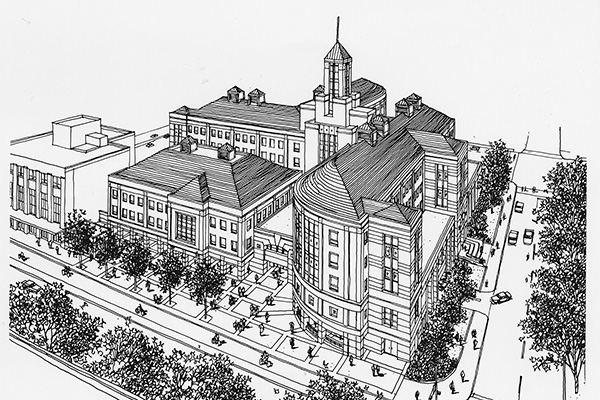
Grainger Hall opens, the first building on campus built with combined public and private financing.
-
The school launches the Wisconsin Executive MBA, its first degree offering designed for working professionals.
-
James Weinert (BS ’67, MBA ’69) helps establish the Weinert Applied Ventures in Entrepreneurship, a first-of-its-kind practicum in starting and growing businesses.
-
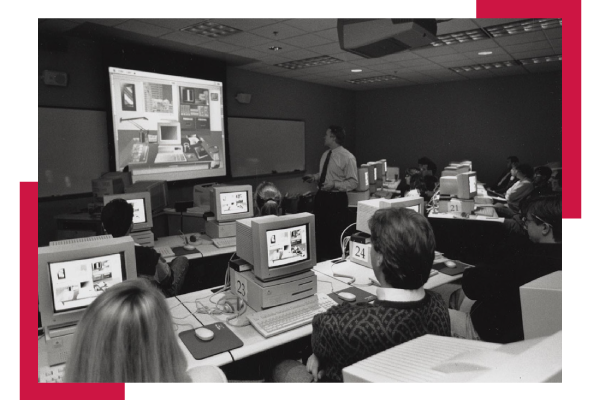
The school experiments with its first fully internet-based course, Organizational Behavior.
2000s
-
The Erdman Center for Manufacturing and Technology Management graduates its first MBA student. The center, known today as the Erdman Center for Technology Strategy and Product Management, was made possible in the previous decade by Marshall Erdman (BPH ’48) in memory of his late wife, Joyce (BA ’46, MA ’47), a strong supporter of the school and university.
-
H. Signe Ostby (BBA ’75, MBA ’77) and Scott Cook establish the nation’s first university-based center focused exclusively on training MBA students in brand and product management.
-
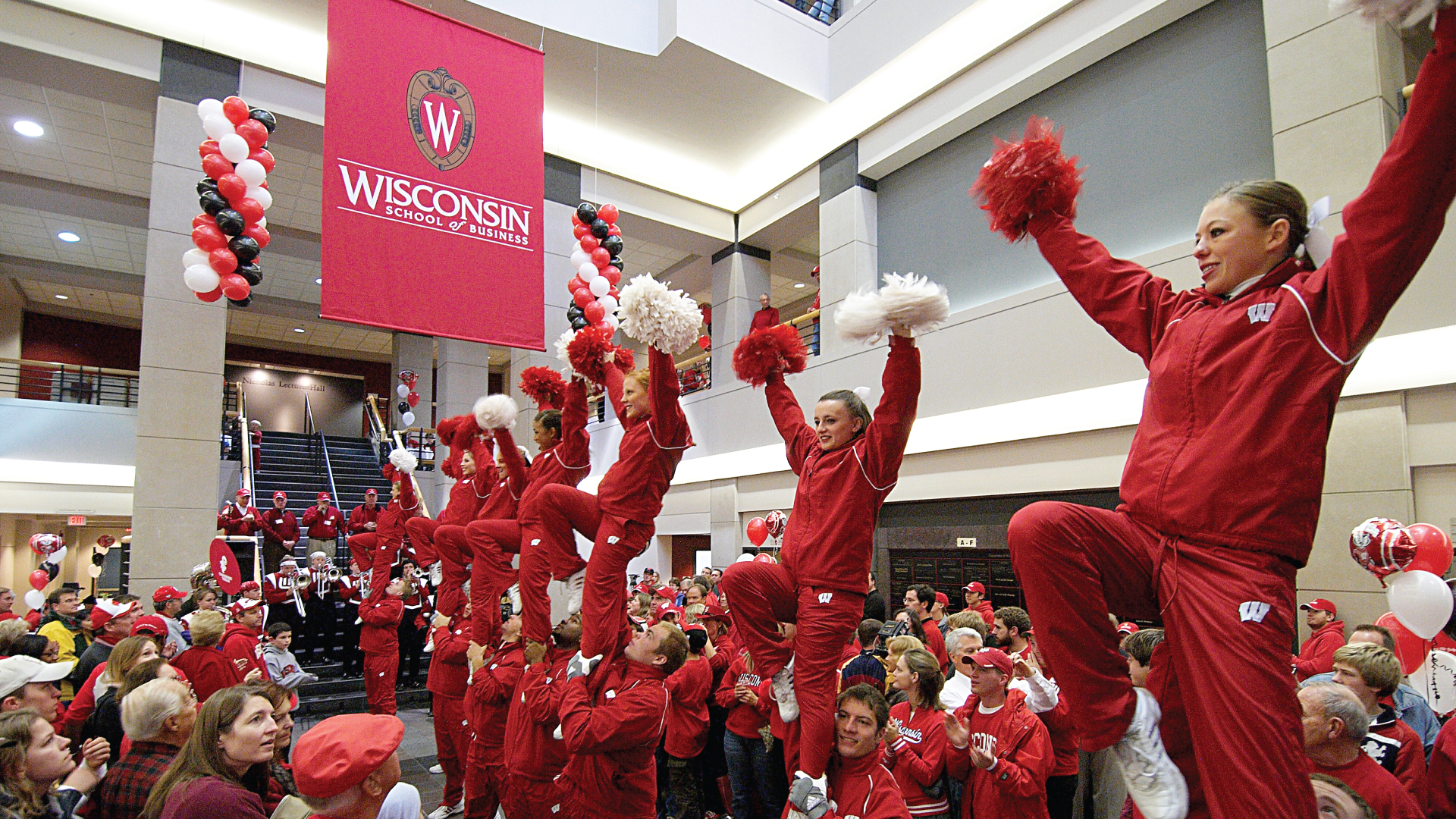
A group of 13 alumni give $85 million to form the Wisconsin Naming Partnership, the first of its kind received by a U.S. business school, designed to preserve the Wisconsin School of Business name for at least 20 years. The Wisconsin Naming Partnership later added three additional partners to grow the gift principal to $105 million.
2010s
-

During WSB’s first hackathon, 15 MBA students examine Kimberly-Clark data, looking for solutions to bring the company’s aggregate loss closer to a zero balance.
-

WSB launches the Master of Science-Business: Analytics program, the first in-person business analytics degree program offered by the Universities of Wisconsin and the first of several new specialty master’s programs the school now offers.
2020s
-

The Multicultural Center opens, making WSB among the first business schools in the nation to offer a center dedicated to building cultural fluency and fostering an inclusive community.
-
The Master of Science-Business: Data, Insights, and Analytics program launches, WSB’s first online-only graduate degree.
…and the firsts won’t stop here! WSB will continue leading and innovating for the next 125 years—and beyond.