From hurricanes and hailstorms to wildfires and floods, natural disasters are increasingly wreaking physical—and financial—havoc across the world. Fueled by a changing climate, the phenomenon is creating a complex knot of challenges for property owners, insurance companies, and policymakers.
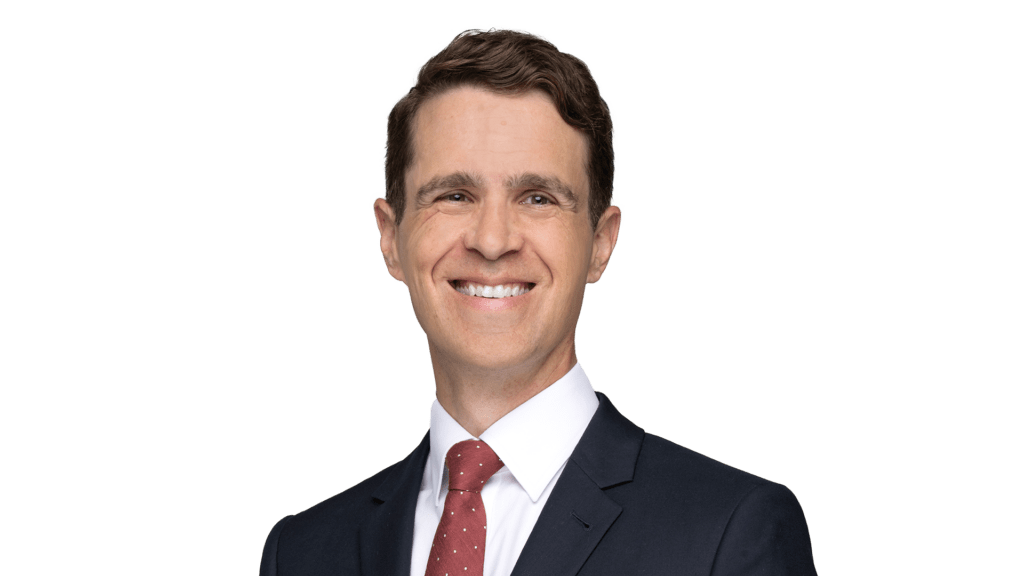
That’s where Benjamin Collier comes in. An associate professor of risk and insurance, Collier’s research examines how insurance markets respond to growing climate risk, as well as how uninsured businesses and households financially manage these disasters.
Globally, only around 40% of losses from natural disasters are insured in any given year—and even with insurance, expensive disaster losses may not always be fully covered.
“Today’s budgets are often very tight,” says Collier, the Welch Family Professor in Business who joined WSB’s faculty in 2025. “Without insurance, most people don’t have the financial resources to take on major home repairs, much less replace a lost home if needed.”
In the U.S., many underinsured property owners turn to low-interest government loans, which provide emergency credit to help eligible applicants cover their damages. Conversely, these loans can also saddle homeowners with unplanned debt, leading Collier to study whether this program truly helps affected homeowners avoid a financial spiral in the months and years after a disaster.
Analyzing credit record data, Collier found that these loans do have significant and persistent positive effects, mitigating initial financial shock while also decreasing a borrower’s likelihood of filing for bankruptcy by 61% in the three years following the disaster.
“Loan recipients were also more likely to attract future private borrowing, which tends to signal positive recovery,” says Collier.
Businesses can also take low-interest disaster recovery loans from the government. Collier finds a similar result when studying these business borrowers, who are less likely to experience severe delinquencies or even close permanently following a disaster.
“UW can really leverage its expertise … to help individual homeowners and communities become more resilient.”
—Benjamin Collier
While government loans offer a critical safety net, Collier’s research also examines the primary line of defense: the private insurance market. More specifically, he looks at how home insurance premiums, which have steadily increased in recent years, truly reflect the growing climate risk.
It’s been a difficult question to answer, as insurers are typically reluctant to share how they estimate and price risk. But Collier has been able to leverage publicly available data and catastrophe models in Florida—the state with America’s highest homeowner’s insurance premiums due to increasing hurricane risk—to draw some interesting conclusions.
“Since 2006, Florida has seen a 50% increase in risk, but premiums have gone up by more than 200%,” he says. “We’re finding that a dollar increase in the modeled expected loss actually results in a $4 increase in premiums that people pay.”
It’s an imbalance that Collier says can be largely explained by the fact that local insurance companies are now turning to large, global reinsurance companies—who effectively insure the insurers—for help as losses mount.
“These firms are better positioned to take on disaster risk and try to diversify it with a global portfolio,” says Collier. “They charge large amounts to take on these risks and that cost is passed through to the customer.”
As reliance on reinsurance grows, Collier says policymakers may need to eventually intervene to keep prices in check. Among the potential interventions would be the creation of a U.S. government reinsurer, which Collier says could lead to lower, more consistent prices of catastrophe reinsurance.
For now, Collier is focused on building a body of research to help inform future decision making and says UW–Madison has the power and the engaged, local partners to chart a course forward.
“We’ve got local policymakers, the state insurance regulator, and one of the largest insurance companies in the country, American Family Insurance, right here in our backyard,” says Collier. “There’s a strong opportunity to build coalitions here, and UW can really leverage its expertise in this space to help individual homeowners and communities become more resilient moving forward.”