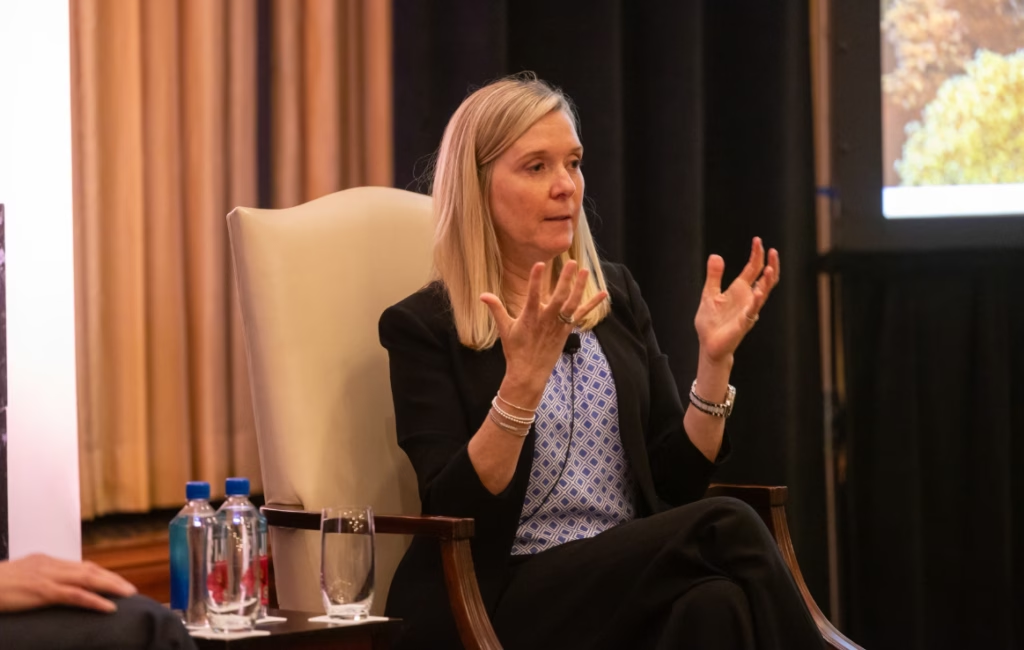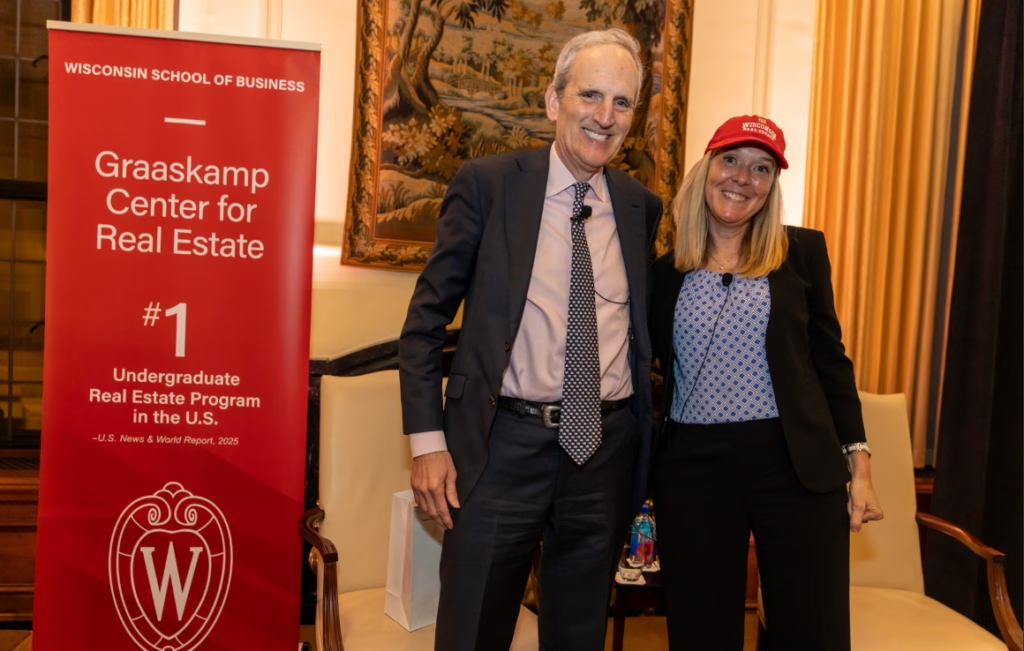
On Thursday, April 16, the Graaskamp Center kicked off its Spring Board Conference with a keynote from Karen Murphy, Chief Operating Officer and Executive Vice President of Stadium Development for the Chicago Bears. As a Sun Prairie native and UW-Madison alumna, Murphy shared perspective on her unique career trajectory from early career work as an auditor with EY to being the “point person” on one of the most complex stadium projects in the country. She emphasized that the decision to move a team that has come to be seen as a community asset is not arrived at lightly, and that the Bears’ pursuit of a new home is “not a leverage play,” but rather a calculated effort to evolve the team into a brand that serves its fans with year-round entertainment opportunities using its facilities.
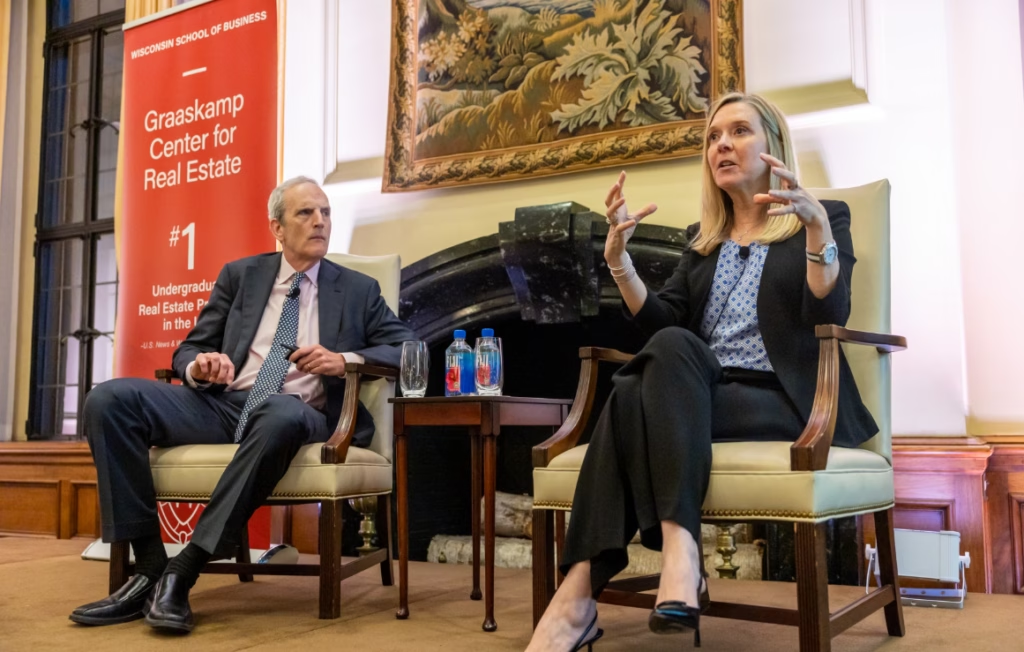
The discussion focused on the broader trend of teams moving towards stadium-anchored entertainment districts, highlighting some highly successful models such as “The Battery” in Atlanta. Murphy also called out the programmatic challenges of a model like this for a football team, pointing out that “a $3 billion stadium designed to host 10 home games a year” needs to also be able to handle many other types of events, such as concerts, to make fiscal sense. To this end, Karen talked about how her team has coordinated with groups such as Ticketmaster and Live Nation to identify key infrastructure.
By integrating a “live, work, play” philosophy, the project aims to include transit-oriented development, a Hall of Fame, and potentially other integrations such as a sportsbook. Beyond the architecture, Murphy highlighted the logistical complexities of the project such as permitting, financing, and the equipment required to maintain high-performance grass surfaces in an indoor stadium facility.
Key Takeaways:
- Breaking Barriers: As a female leader in the sports industry, Murphy highlighted the importance of diverse perspectives in leadership, noting that the Bears’ executive team now includes more women than men
- Economic Impact: The proposed development is projected to create 56,000 construction “job years,” 9,000 permanent jobs, and $1.3 billion in statewide economic impact each year after project completion
- Risk and Infrastructure: Large-scale developments like this require complex, public private partnerships, including PILOT (Payment in Lieu of Taxes) arrangements and significant new infrastructure