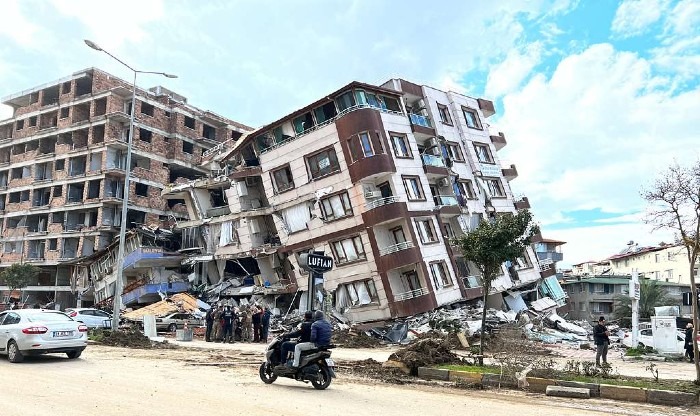
In 2023, two earthquakes in Kahramanmaras, southeastern Turkey, occurred within nine hours of each other. The mandatory earthquake insurance pool paid out approximately 40 billion lira (approximately $885M USD) in claims.
That insurance pool is the Turkish Catastrophe Insurance Pool (TCIP, known in Turkish by its acronym DASK). It is a public institution that issues compulsory residential earthquake coverage. TCIP was established in 2000, after the 1999 Marmara earthquake. This earthquake exposed the uninsured protection gap. Since 2020, Turk Re has served as TCIP’s technical operator, handling risk modeling, premium calculation, damage assessment, and reinsurance placement. Turk Re is a state-owned reinsurer established in 2019 by the Ministry of Treasury and Finance to build domestic reinsurance capacity.
TCIP covers earthquake damage, as well as fire, explosion, landslide, and tsunami events caused by earthquakes. Every homeowner must buy TCIP coverage to register utilities, sell property, or obtain a mortgage. The premium for this insurance policy is low, so that the coverage is within reach of most households. But the coverage is capped — as of 2026, the maximum coverage limit is set in Turkish lira at the equivalent of $46,400 USD.
The 2023 Kahramanmaras earthquakes were the largest hazard TCIP had ever faced. After the earthquakes, TCIP learned that traditional loss-adjusting methodologies that work for localized events are impractical on the scale of a regional catastrophe. In response, TCIP has been developing parametric methodologies for claims handling. This shift is similar to the US interest in parametric solutions for natural hazard risks. The closest US system is the California Earthquake Authority (CEA). It is voluntary, however, and despite the well-known fault risk, only about 10-13% of California homeowners have earthquake coverage.
The structural difference is geographic. The United States is a continent with regionally concentrated hazards, but Turkey sits across active fault systems that put most of its major cities at high risk, making a centralized, mandatory pool not just feasible but necessary.
Categories: