Faculty & Research
Shaping the Future of Business
Nearly 100 world-class faculty bring leading research insights to students, corporations, and top journals.
There’s a disconnect between how we think we make decisions and how we actually make them.
Associate Professor of Management and Human Resources
Bruce and Janice Ellig Professor in Management
In services, when do you standardize, and when do you allow for customization? Both of these need to coexist.
Associate Professor of Operations and Information Management
Procter & Gamble – Bascom Professor
Creativity can be defined as the union between novelty and appropriateness.
Professor of Marketing
John R. Nevin Chair in Marketing
What Does It Take To Prepare the Next Generation of Leaders?
Our faculty are more than expert instructors. Fueled by curiosity and collaboration, they don’t just answer questions—they ask them, uncovering new insights and driving business forward.
Experts in Business | Trusted to Lead
On the Cutting Edge of Business Research
90+ Thought Leaders. Countless Insights.
Discover their research and get in touch.
See Our Faculty's Impact On
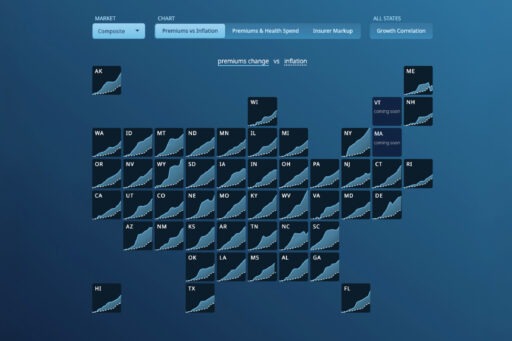
Health Insurance Premiums Keep Going Up. A New Exploratory Tool Helps You See Why.

Will AI Allow Us to Have More and Better Ideas?
Featuring: Sik Chung
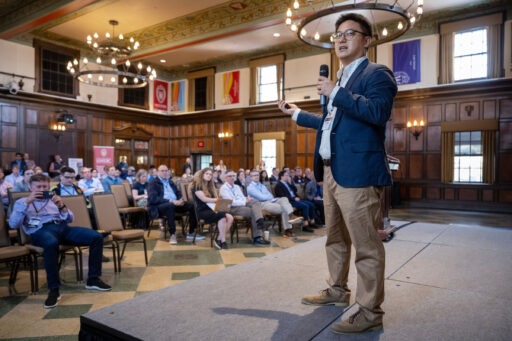
WSB Professor Jordan Tong Authors Harvard Business Review Feature
Listen In: Diving Deeper Into the Research
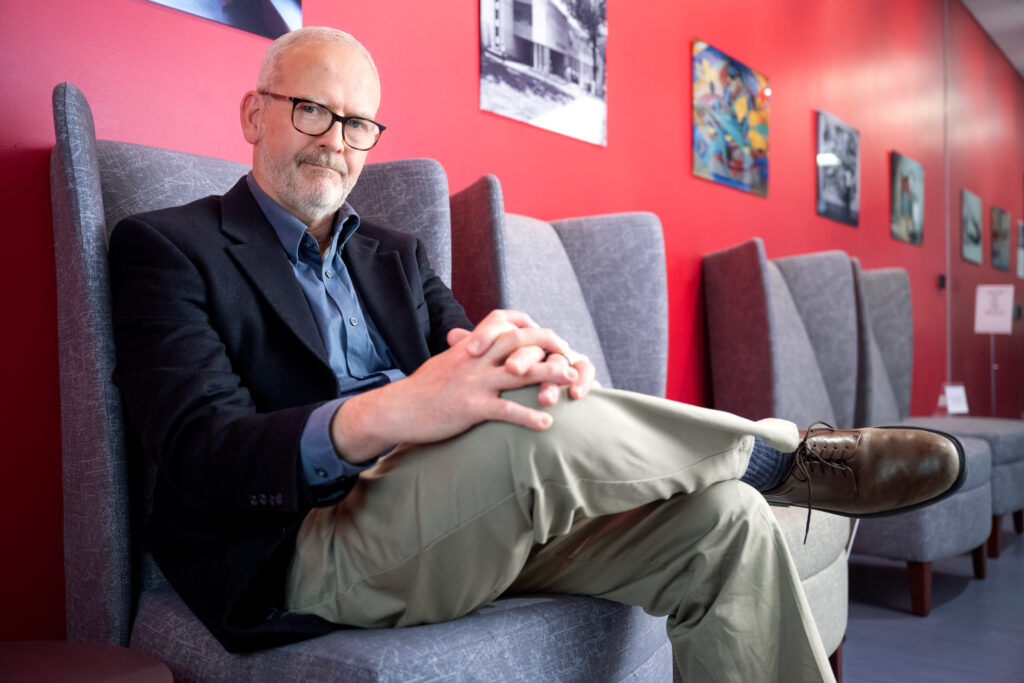
Hear Chris Timmins on why some populations are more exposed to toxins in their homes
Featuring:
Chris Timmins, Professor of Real Estate and Urban Economics
Transcript
There’s a number of reasons why some groups are more exposed to toxins and other pollutants in their homes. Low-income groups and people of color have borne the brunt of pollution in the United States for decades. The evidence on this goes back to the earliest work in the environmental justice field in the 1980s, and since that time, researchers have uncovered a number of explanations.
One is that pollution sources have typically been cited in disadvantaged communities, often because the groups there have lacked the social or political capital to fight back.
Another is that low-income individuals may end up being forced into trade-offs between, for example, having adequate resources to feed their families versus living further away from pollution. To a large extent, inequality and pollution exposure in our country is a result of income inequality.
A third explanation is that discrimination may constrain the choices available to households of color, making it hard for them to find housing options in unpolluted neighborhoods, even if they have the resources to afford those options.
Much of our research here at UW–Madison deals with the mechanisms leading to these forms of environmental injustice and suggesting policy responses to deal with them.
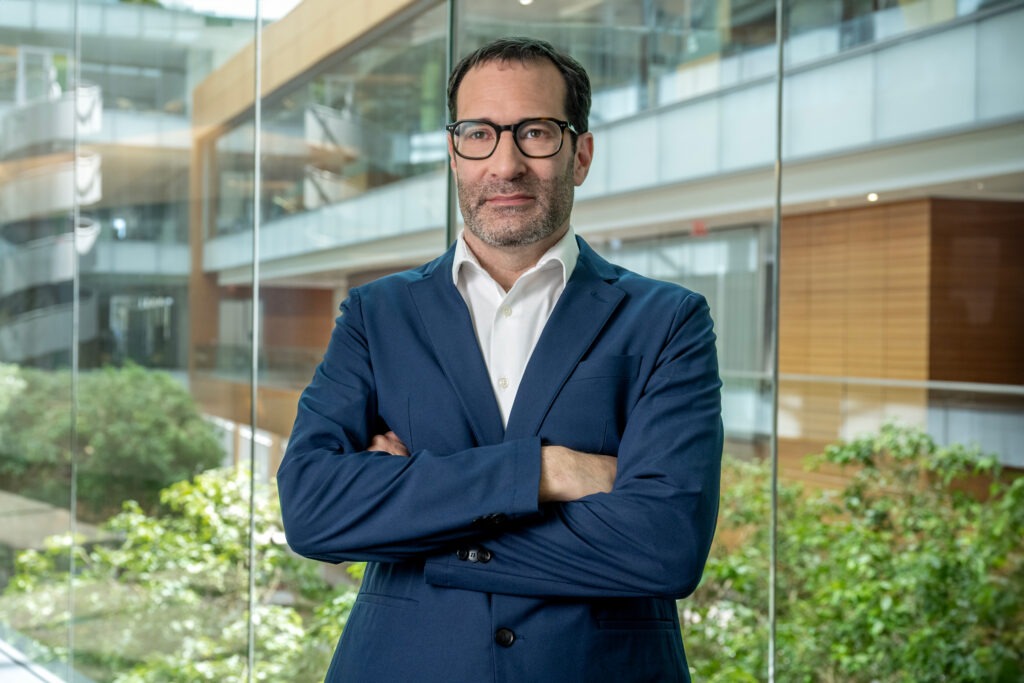
Hear Jon Eckhardt on why entrepreneurship may not be as risky as many think
Featuring:
Jon Eckhardt, Professor of Management and Human Resources
Transcript
One thing people often get wrong about entrepreneurship is they think of it as being risky. The reality of it is, in the modern era there are a variety of tools and approaches available to entrepreneurs that can limit their downside financial losses of potentially engaging in entrepreneurship—in that entrepreneurship really might involve periods of low income or no income but the riskiness of engaging in that entrepreneurship really can be limited on the downside. If you think about it in a different way, if you commit to yourself to pursuing a career in entrepreneurship, meaning ‘I’m going to start five or eight companies before I retire,’ the odds of one of those becoming quite successful—if you pursue that in a reasoned and educated manner—are actually quite high.
In the News
-
The Atlantic
A Bet That Young People Are Willing to Make
Featured: Scott R Baker
October 16, 2026
-
PBS
Justin Sydnor on Prediction Markets, Politics and Elections
Featured: Justin Sydnor
October 16, 2026
-
Vox
Why your health insurance is dropping GLP-1 coverage
Featured: Dan Sacks
October 15, 2026
Guiding Innovation Inside and Outside the Classroom
Academic departments


Faculty editors
Named chairs and professorships
62
WSB faculty members hold named professorships, chairs, and fellowships
Knowledge centers
Our faculty direct and collaborate with WSB’s knowledge centers, which support student learning and provide access to exceptional research.